
Heating Assistance and Home Care: Staying Warm Through Upstate Winters
Long, cold winters can make home a risky place for older adults and people with disabilities. Here is how families can combine heating assistance, safe heating habits and in-home care to keep loved ones warm and well.
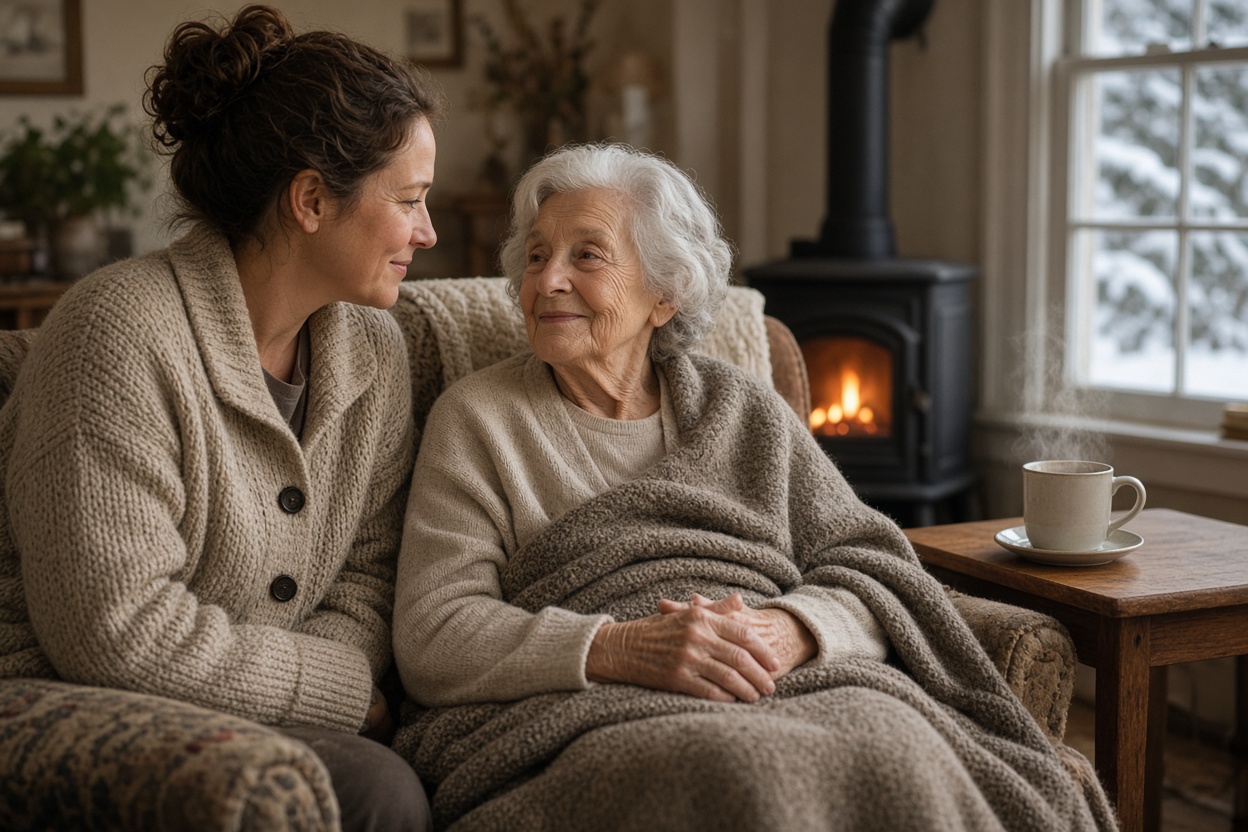
Winter in Upstate New York is beautiful, but it is also hard on anyone who spends their days at home. For an aging parent, a spouse recovering from illness or an adult child with a disability, a cold house is more than an inconvenience. It can lead to falls, infections, worsening chronic conditions and a quiet kind of isolation. If you are a family member watching over someone you love, you have probably lain awake wondering whether the furnace is running well enough, whether the bills will be manageable, and whether your loved one will admit when they are chilly. This article is meant to ease some of that worry. It explains how heating assistance, safe heating habits and in-home care can work together so that your loved one stays warm, comfortable and safe through the coldest months.
Why Cold Homes Are a Serious Concern for Older Adults and People with Disabilities
Many people assume that feeling a little cold is harmless, but for older adults and people with certain health conditions, low indoor temperatures can have real consequences. As we age, the body becomes less efficient at sensing cold and regulating its core temperature. A person may not feel uncomfortably chilled until they are already in trouble. Circulation can slow, muscles can stiffen, and reduced mobility can make it harder to get up and move around to generate warmth on one’s own.
Cold rooms also affect everyday health in less obvious ways. People who are kept chilled may sleep less well, eat less, and feel more tired or low in mood. Cold air can aggravate breathing problems and arthritis pain. Hands and feet that are chronically cold are more likely to be injured by a small cut or a burn that goes unnoticed. For a person who lives alone, these problems can build quietly over weeks before anyone realizes something is wrong.
Because the signs of a cold home are not always visible, families should look for practical clues. Is your loved one wearing several layers indoors, or sitting with a blanket even when the house seems warm to you? Are they reluctant to turn on a light or walk to the kitchen? Have you noticed unpaid heating bills, unopened mail from the utility company, or space heaters that are plugged into extension cords? These can all be signals that heating is becoming a problem, even if your loved one would never say so directly.
Understanding Heating Assistance Programs in General Terms
Many households in Upstate New York qualify for some form of help with heating costs, but the programs available, their names, eligibility rules and benefit amounts change over time. For that reason, it is best to think about heating assistance in general categories rather than relying on a single set of numbers. Some assistance is designed to help households pay their heating bills, some helps with emergency repairs or replacement of a failing heating system, and some focuses on energy efficiency improvements such as weatherization.
Eligibility for these programs is typically based on household income, household size and sometimes age or disability status. Because the rules are updated regularly, you should always confirm current details with an official source. Your local department of social services, your utility company’s customer assistance office and your county’s aging services office are good starting points. You can also visit the official New York State website for information on energy assistance, and the website of your local community action agency, which often administers these programs at the community level.
When you contact these offices, it helps to have a few things ready: recent income statements or benefit letters, recent heating bills, a list of household members, and any medical information that relates to the need for a warm home. Having these documents organized can make the difference between a quick application and weeks of back-and-forth. If English is not your loved one’s first language, ask whether interpretation services are available. Most offices are required to serve the public in ways that make the process accessible.
Practical Steps for Applying
- Gather recent income documents and a current utility bill before you start.
- Ask whether the program offers an emergency benefit if the heat has already been shut off or is about to be.
- Ask about additional help such as furnace repair, cleaning or weatherization, which may be available separately from bill payment.
- Keep copies of everything you submit and write down the names of the people you speak with.
- Mark follow-up dates on your calendar so applications do not stall.
If a family member is helping an older adult with the application, it is important to respect the person’s own voice and decision-making. Where possible, sit alongside your loved one, explain what each form is asking for, and let them answer questions themselves. Many people feel embarrassed to need help, and being included in the process can preserve their dignity and sense of control.
Staying Safe with Heaters: Habits That Protect Your Loved One
Heating assistance can pay the bill, but safe heating habits protect the person inside the home. Space heaters are a common source of home fires and carbon monoxide exposure, especially when they are used carelessly. Families should review heating safety with their loved one and, ideally, check the home together before the first cold snap arrives.
Keep every space heater at least three feet away from furniture, bedding, curtains and people. Plug heaters directly into a wall outlet rather than an extension cord or power strip, and choose models that shut off automatically if they tip over or overheat. Never leave a space heater running unattended, and never use a kitchen oven or gas stove to heat the home, since this can produce dangerous fumes. Fuel-burning appliances such as furnaces, water heaters, fireplaces and generators should be serviced once a year by a qualified technician, and they should never be run indoors in an enclosed space.
Carbon monoxide is especially dangerous because it has no smell or color and can cause confusion and drowsiness before a person realizes there is a problem. Every home with a fuel-burning appliance should have working carbon monoxide detectors on each level and near sleeping areas. Test them monthly and replace batteries as recommended by the manufacturer. Smoke detectors should also be tested regularly, and families should agree on a plan for what to do if an alarm sounds at night.
A Simple Winter Heating Checklist
- Test smoke and carbon monoxide alarms and replace batteries if needed.
- Confirm the furnace has been serviced this season and that vents are clear of snow and debris.
- Keep pathways to heat sources, exits and the thermostat free of clutter.
- Inspect space heater cords for fraying and replace damaged units.
- Keep a flashlight, extra blankets and a charged phone within reach in case of a power outage.
How In-Home Care Keeps the Home Warm and the Person Well
Heating assistance and safety measures are most effective when someone is present to notice what is happening. This is where in-home care makes a meaningful difference. A home care aide who visits regularly can check that the thermostat is set to a comfortable temperature, that the house feels warm to the touch, and that the person has enough layers and blankets. An aide can also watch for signs of chills, unusual drowsiness or confusion, and report concerns to the family or to a nurse.
Care providers can also help with the everyday tasks that keep a person warm. Helping someone change into dry clothes after a bath or a spill, preparing a warm meal or a hot drink, assisting with a warm shower in the morning, and making sure the bed is comfortable at night all contribute to a person’s comfort and health. For someone with limited mobility, an aide can bring items from another room so the person does not have to walk through a cold hallway. For someone who lives with memory changes, a consistent caregiver can notice when the thermostat has been turned down or a heater has been unplugged.
Nutrition plays a role too. Warm meals and adequate fluids help the body maintain its temperature and support overall health. An aide can help plan simple, warming meals such as soups, stews and oatmeal, and make sure the person is drinking enough throughout the day, even when they do not feel thirsty, which is common in older adults. Families who cannot be present every day often find that a regular schedule of aide visits brings a sense of security for everyone involved.
Preparing for Power Outages and Severe Storms
Upstate winters can bring heavy snow, ice storms and extended power outages, and these events are especially dangerous for someone who depends on electric medical equipment or who cannot easily leave the house. A thoughtful emergency plan can turn a frightening situation into a manageable one.
Start by identifying anyone who relies on electricity for medical needs, such as oxygen concentrators, nebulizers or powered mobility devices. Ask the utility company whether the household can be listed for priority notification during outages, and find out whether a backup power source is appropriate. Keep a battery-powered or hand-crank radio, a supply of nonperishable food and bottled water, and a first aid kit in an accessible place. Store medications in a way that keeps them at appropriate temperatures, and ask the pharmacy or doctor what to do if a refrigerated medication cannot be kept cold.
Create a written list of phone numbers for family members, neighbors, the care agency, the doctor and the utility company. Agree on a check-in plan so that someone outside the home knows to call or visit if they cannot reach the loved one. During a storm, keep the household on one level if possible and close off rooms that do not need to be heated to conserve warmth. If the home becomes unsafe, having a plan to move to a relative’s house or a warming center may be the wisest choice. Local emergency management offices can share information about warming centers during cold events.
Building a Warm Routine Around Your Loved One’s Needs
Every person is different, and the best winter plan reflects their habits, preferences and health needs. Some people like the house kept very warm, while others prefer a cooler bedroom and a warmer living room. Some feel the cold most in their hands and feet, while others notice it most in their back or shoulders. Taking time to ask and observe can help families tailor the environment to the person rather than assuming one setting works for everyone.
A warm routine often includes gentle movement several times a day, since activity helps circulation and generates body heat. Simple stretches, short walks around the house and seated exercises can make a real difference. Warm clothing should be easy to put on and take off, with layers that can be adjusted as the day changes. Slippers with non-slip soles, a lightweight robe, and fleece or wool items that are easy to fasten are practical choices. Heated mattress pads and electric blankets can add comfort, but they should be used according to the manufacturer’s instructions and checked regularly for damage. Some people with diabetes or reduced sensation should avoid direct heat on the skin, so it is worth checking with a clinician first.
Consider the lighting, too. Brighter rooms often feel warmer and cheerier, and good lighting makes it easier to see steps, thresholds and rugs that could cause a fall. Keeping a warm drink, a snack and a blanket within reach of the favorite chair means the person does not have to make many trips across the house in cold weather.
Taking Care of the Family Caregiver Too
Family members who manage heating bills, check on a loved one each day and worry about winter storms often carry a heavy load. Caregiver stress is real, and it can quietly wear down even the most devoted person. Recognizing your own needs is not a sign of failure; it is an essential part of keeping your loved one safe over the long run.
Consider which tasks you can share with others. A sibling might handle the heating assistance paperwork, a neighbor might shovel the walkway, and a home care agency might provide aide visits on a regular schedule. Respite care, which gives family members a planned break, can also be valuable during the coldest months. Support groups, whether in person or online, offer a place to share experiences with people who understand. If you notice that you are feeling exhausted, irritable or hopeless, talk with your own doctor or a counselor. Taking care of yourself helps you take better care of the person you love.
Frequently Asked Questions
What should I do if my loved one’s heat has been shut off?
Contact the utility company right away to ask about payment arrangements and whether an emergency heating benefit may be available through your local community action agency or department of social services. If the home is unsafe or your loved one is in danger from the cold, call emergency services. Do not use a gas oven or outdoor grill to heat the house.
Are space heaters safe for older adults?
Space heaters can be used safely when they are the right type, placed on a stable floor, kept well away from anything that can burn, plugged directly into a wall outlet and never left running unattended. Many families choose heaters with automatic shutoff features. If your loved one is confused or forgetful, a space heater may be harder to manage safely, so talk with a care professional about the best option.
How can I tell if my loved one is too cold?
Look for shivering, pale or bluish skin, cold hands and feet, drowsiness, confusion or a slow heartbeat. Older adults may not shiver as much as younger people, so do not rely on shivering alone. If you suspect hypothermia, which can develop slowly, seek medical help promptly, especially if the person is confused or very drowsy.
Can a home care aide help with heating needs?
Yes. Home care aides can check the thermostat and the home’s temperature during visits, help with warm clothing and meals, assist with personal care in a warm bathroom, and watch for signs that the person is struggling with cold. They can also report concerns to the family or a nurse so that problems are addressed early.
Where can I find current information about heating assistance?
Start with your county department of social services, your local community action agency, your utility company’s customer assistance office and the official New York State government website. These sources provide the most up-to-date information on eligibility, benefit amounts and how to apply, since program details can change over time.
How do I start a conversation about home care with my loved one?
Begin by focusing on their comfort, independence and safety rather than on what they cannot do. Choose a calm moment, listen to their concerns, and invite them to take part in the decision. Many families find it helpful to start with a single visit or a short schedule of aide hours, so the person can see how it feels before making a larger commitment.
Winter does not have to mean a cold, lonely house. With the right heating support, safe habits and caring people around them, your loved one can enjoy the season from the comfort of home. At At Home Care Partners, we know how much these decisions weigh on families, and we are glad to talk through your situation with no obligation. If you have questions about aide visits, nursing support or CDPAP, please reach out to us for a free consultation, and we will help you think through the options that fit your family best.
This article is general information, not medical advice. Please consult your loved one’s doctor or other qualified health professional about their individual needs, and check official government sources for current program details.