
Winter Driving to Doctor Appointments: A Family Plan for Upstate NY
Snow, ice and short winter days can turn a routine doctor visit into a stressful ordeal. This family plan helps you prepare, travel safely and keep your loved one's health on track all season.
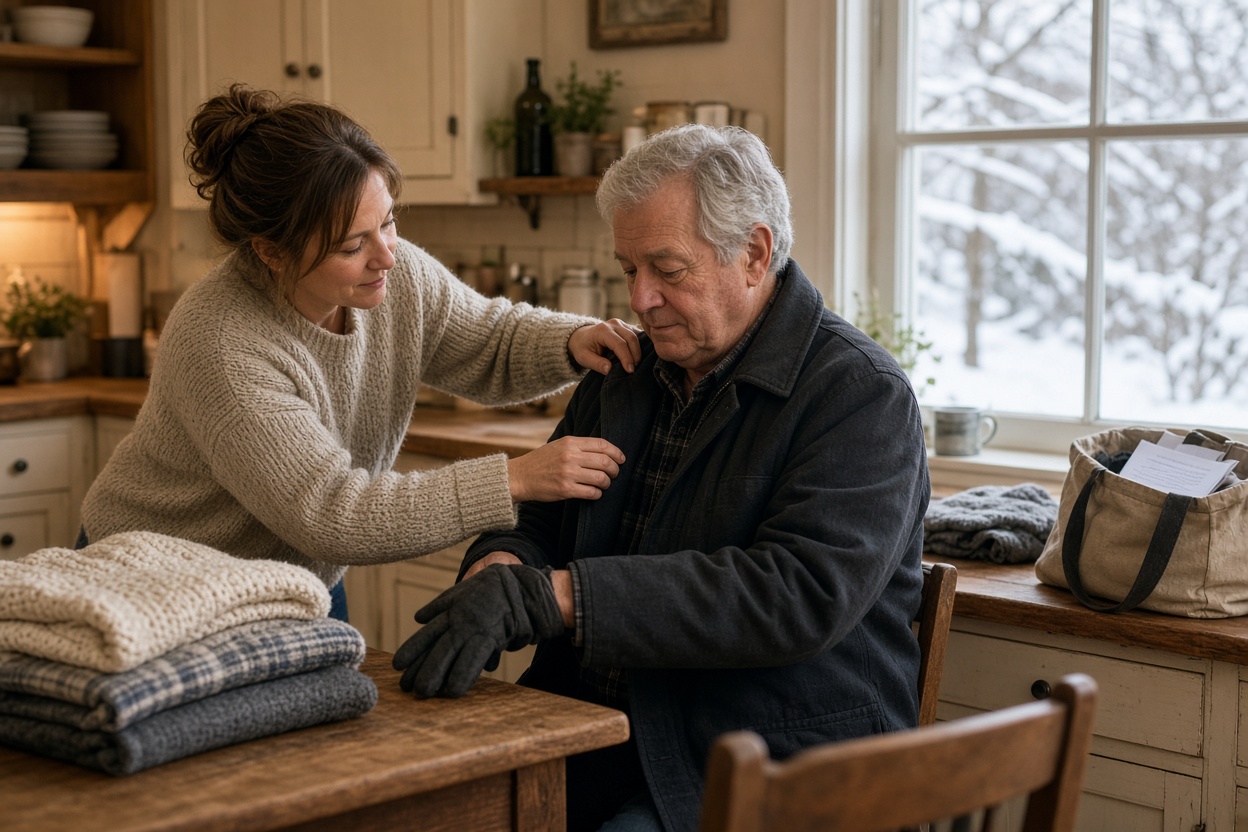
Anyone who has cared for an aging parent, a spouse or a family member with a disability knows that a doctor appointment is rarely just an appointment. It means getting dressed, gathering medication lists, finding the right coat and boots, and then facing the road. When winter arrives across Upstate New York, with its lake-effect snow, black ice on back roads and days that get dark by mid-afternoon, that simple errand can feel like an expedition. The good news is that most winter travel problems are predictable, and a little planning ahead can turn anxiety into a calm, manageable routine. This article offers a practical family plan you can adapt to your own household, your loved one’s needs and the roads you actually drive.
Why Winter Appointments Deserve Extra Planning
Winter travel is harder on everyone, but it is especially hard on older adults and people with mobility limitations. Cold temperatures can make joints stiff and muscles weaker, which raises the risk of falls on icy parking lots and steps. Many people also feel more fatigued in the winter months, and a long car ride followed by a waiting room can leave them worn out before the appointment even begins. Shorter daylight hours mean that a late-afternoon appointment may end in the dark, when slippery surfaces are harder to see.
Missed or rescheduled appointments carry their own health risks. Follow-up visits for blood pressure, heart conditions, diabetes, wound care or medication adjustments often cannot be skipped without consequences. When a storm cancels a visit, it can delay treatment that the doctor intended to start weeks earlier. For this reason, it helps to treat winter appointments as a planning project rather than something to handle on the morning of the visit.
It also helps to recognize that caregivers carry a heavy mental load in winter. Watching the forecast, worrying about a fall and managing the logistics of transportation can add up quickly. A written plan reduces that load, because it lets the whole family share responsibility and removes guesswork from the decision of whether to go.
Build a Winter Appointment Calendar
The first step is to look at the year’s upcoming medical needs and map them against the season. Gather every recurring appointment, including primary care check-ups, specialist follow-ups, lab draws, physical or occupational therapy sessions, dialysis if applicable, and dental or eye visits. Note which ones are flexible and which ones truly cannot move. Many offices are willing to schedule a visit earlier in the day, which can help if your loved one is more alert in the morning and if daylight is better for driving.
Once you have a list, consider asking the provider’s office about telehealth options for appointments that do not require a physical exam. Some check-ins, medication reviews and results discussions can be handled by video or phone. This does not replace in-person care that a clinician needs to perform, but it can reduce the number of winter trips. When you do book in-person visits, ask whether the office can offer a rescheduling window in case of a storm, and find out how they prefer to be notified of cancellations.
- Keep a single shared calendar that all family members can see and update.
- Mark the date, time, address, parking situation and expected length of each visit.
- Write down the reason for each visit so anyone driving can answer questions at the front desk.
- Set reminders several days ahead to check the forecast and confirm the appointment.
Create a Weather Decision Rule Before You Need It
Deciding whether to travel during a storm is much easier when you have already agreed on the rules. Families often waste time arguing on the morning of an appointment, and that pressure can push people toward unsafe choices. Instead, sit down together during a calm period and decide what conditions will trigger a reschedule. For example, your family might agree that if the forecast calls for more than a few inches of snow, freezing rain or wind chills below a set level, the trip will be moved. You can also agree that the driver has the final say if the road conditions look worse than expected when it is time to leave.
It is wise to also decide in advance how you will contact the doctor’s office if you need to cancel. Keep the phone number saved in your phone and on a card in the car. Many offices have patient portals where you can send a message, which can be useful when phone lines are busy after a storm. If the appointment is important and cannot easily be moved, ask about a same-day telehealth option or whether a nurse can review the situation by phone in the meantime.
Questions to settle as a family
- What snow, ice or wind conditions mean we do not travel?
- Who decides on the morning of the appointment, and what happens if we disagree?
- Who calls the office to reschedule, and how quickly?
- What is our backup if the primary driver is sick or unavailable?
Plan Safe Transportation and a Backup Driver
Reliable transportation is the heart of any winter plan. If one family member does most of the driving, that person should have a backup ready to go. Talk with relatives, neighbors, faith community members or friends who might be willing to help in a pinch. Some communities also have volunteer driver programs or senior transportation services, and your local county office for aging can share information about what is available in your area. Ask about options directly rather than assuming they do not exist.
If your loved one uses a wheelchair, walker or other mobility device, confirm that the vehicle and the transfer process are safe in winter. Snow and ice can make curbs, ramps and lift equipment more dangerous. Plan the route so that the drop-off point is as close to the entrance as possible, and ask the driver to pull up to the curb before the helper gets out to help. Keep a bag of sand or cat litter in the trunk for traction, and bring a sturdy snow shovel and ice scraper.
For drivers, winter preparation means more than clearing the windshield. Make sure the tires are in good condition, the battery is strong and the fuel tank stays at least half full. Pack a winter kit that includes blankets, a flashlight, extra gloves and hats, a phone charger, water and non-perishable snacks. Leave extra time for the drive, drive more slowly than feels necessary, and give other vehicles generous space. Remember that bridges and overpasses freeze before the rest of the road.
Prepare Your Loved One for the Trip
A good trip starts at home. Layers are better than one heavy coat, because they keep the body warm without causing overheating in a warm waiting room. A hat, scarf and warm socks are important, and waterproof, nonslip boots with good tread can prevent falls. If your loved one has trouble with balance, consider a pair of ice cleats that slip over shoes. Have a warm blanket ready for the car, since the cabin often takes a while to heat up.
Think about timing as well. Plan to leave with enough time that no one feels rushed, because hurrying can increase the risk of a fall. Give your loved one time to use the bathroom, take any morning medications as prescribed and eat a light, nourishing snack if that is part of their routine. Bring a bottle of water, since dehydration is easy to overlook in winter, and pack a small bag with a medication list, insurance card, photo ID, glasses, hearing aids and any mobility aids.
A simple checklist for the day
- Confirm the appointment time and check the weather and road conditions that morning.
- Dress in warm layers, with nonslip footwear and a hat and gloves.
- Pack the medication list, insurance card, ID, glasses or hearing aids and any notes.
- Bring a blanket, water and a light snack.
- Clear the path from the door to the car, and salt or sand any icy spots.
Make the Visit Itself Go Smoothly
Once you arrive, the goal is to keep the appointment productive and less tiring. Ask the front desk whether there is a closer parking spot or a drop-off area, and request a wheelchair if the walk from the lot is long. Bring a written list of questions and symptoms so that nothing important is forgotten. Many people find it helpful to write down a short summary of changes since the last visit, including any falls, new medications, sleep patterns or appetite changes.
Bringing a second person to the appointment can make a real difference. That person can take notes, help remember instructions and ask follow-up questions while the primary caregiver focuses on the patient. If the visit involves new medications or treatment plans, ask the clinician to write down instructions and confirm the next appointment before you leave. Some offices can also send visit summaries to a patient portal, which is useful for family members who could not attend.
Handle Missed Appointments and Emergencies
Even with the best planning, a storm can cancel a visit or make travel unsafe. When that happens, call the office as soon as you know and ask about rescheduling options. If the visit was for a medication refill, a lab result or a follow-up on a recent change, ask whether the clinician can address it by phone or through the patient portal. Do not simply let the matter drop, because some conditions require prompt attention.
Know the difference between a routine delay and a medical emergency. If your loved one shows signs of a stroke, such as sudden weakness, trouble speaking or a drooping face, or has chest pain, severe shortness of breath, a serious fall or a sudden change in consciousness, call 911 rather than driving them yourself. Emergency responders are trained to handle winter conditions, and waiting for a ride could be dangerous. Keep an emergency contact list and a copy of key medical information in a visible place near the door.
When Professional Help Makes Sense
Some families find that winter is the season when they most need extra support. If your loved one has difficulty getting in and out of a car, needs help with dressing and mobility, or has memory changes that make the appointment process confusing, a home care aide or nurse may be able to assist. A caregiver can help prepare for the trip, accompany your loved one to appointments and provide support during the visit. For families who want a different kind of support, options vary depending on your situation, and it can help to speak with a home care agency about what might fit your needs.
Many families also explore programs that help pay for personal care, including options connected to Medicaid and the Consumer Directed Personal Assistance Program in New York State. Program rules and eligibility change over time, so it is important to check official sources directly rather than relying on memory or secondhand advice. The New York State Department of Health and your local county department of social services can explain current requirements. Medicare coverage for certain services also has its own rules, and the official Medicare website is a good place to confirm details.
Frequently Asked Questions
What should I do if the doctor’s office is closed because of a storm?
Check the office’s website, automated phone message or patient portal for updates. Many practices post closure notices and will reschedule appointments when they reopen. If the visit is urgent, ask whether a nurse line or telehealth option is available that day.
How early should we leave for a winter appointment?
Plan to leave at least thirty to forty-five minutes earlier than you would in good weather, and more if roads are icy or snow is still falling. Extra time reduces stress and lets you drive more slowly and safely. It also gives your loved one time to settle, use the restroom and get comfortable in the car.
Is it safe to use a ride service instead of driving ourselves?
Ride services can be a good option when conditions are poor or the driver is unavailable. Look for services that offer assistance with doors, bags and mobility devices if needed, and confirm in advance that the vehicle can accommodate any equipment. Always share the pickup and drop-off details with another family member.
What can I do if my loved one refuses to go to the appointment in bad weather?
Start by listening to the concern behind the refusal, since fear of falling or feeling unwell are common reasons. Offer to reschedule, arrange a telehealth check-in or ask the clinician whether the visit can wait. Involving the doctor in the conversation can also help your loved one feel respected and informed.
Where can we find out about local transportation help for seniors?
Your county office for the aging is often the best starting point, and many communities have senior centers, faith organizations and volunteer networks that know what is available nearby. Ask specifically about medical transportation and whether any programs require advance booking. Information changes over time, so confirm details directly with each provider.
Should we prepare differently for a telehealth visit in winter?
Yes, make sure the internet connection and device are working well before the appointment, and test the video or audio a few minutes early. Have a quiet, well-lit space ready, along with the medication list, questions and any readings such as blood pressure or blood sugar. A family member can help set up the device and stay nearby if needed.
Winter does not have to mean missed care. With a shared calendar, clear weather rules, a dependable driver and a little preparation, most families can keep their loved one’s appointments on track while staying safe on the road. If you are feeling overwhelmed or want help building a plan that fits your household, the team at At Home Care Partners would be glad to talk with you. We offer a free consultation to listen to your situation, answer questions and explore whether home care support might make winter easier for your family.
Note that this is general information, not medical advice. Always consult your loved one’s healthcare provider about their specific needs, and check official sources for current program rules.