
Hosting Family Visits Safely: A Checklist for Upstate Homes
Family visits are one of the most meaningful parts of life for a loved one receiving care at home. This practical checklist helps Upstate New York families prepare their homes so every gathering feels joyful and safe.
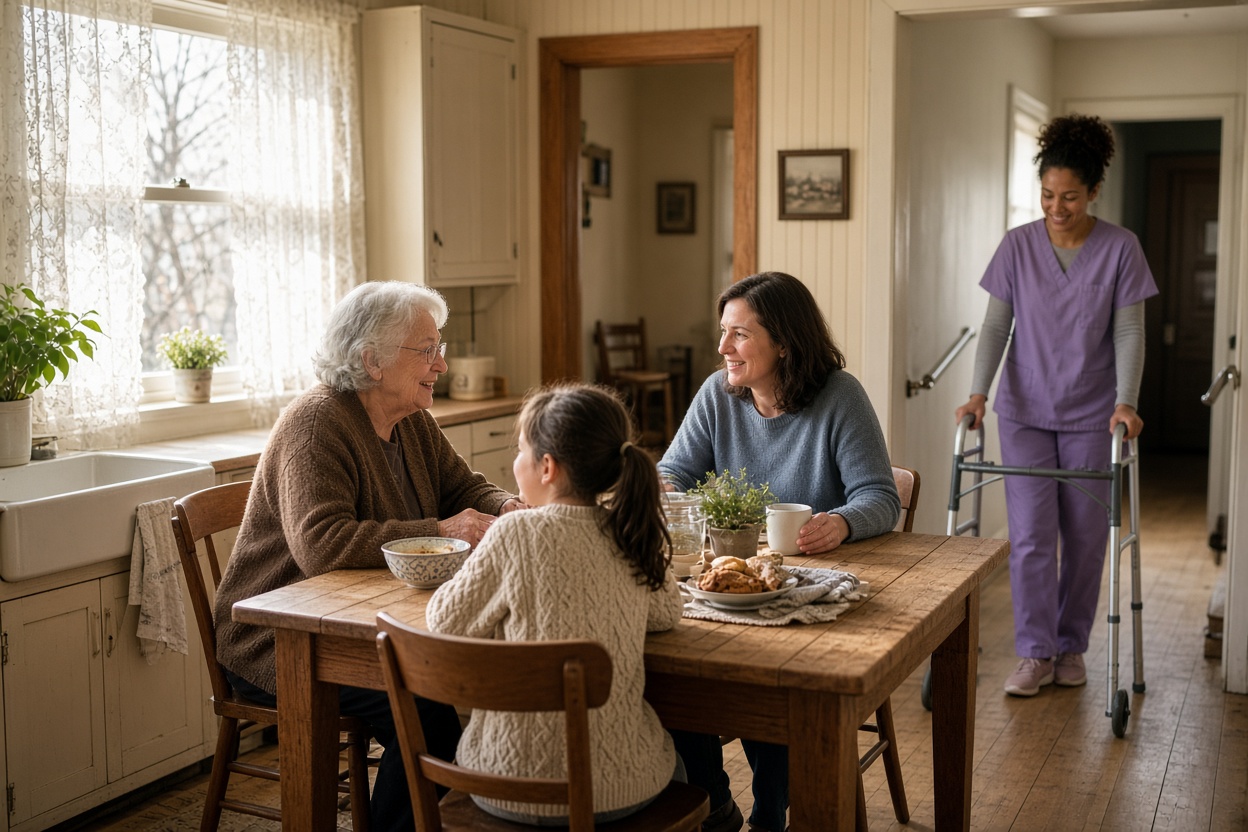
When someone you love needs help with daily life, family visits can feel like the heart of the week. A grandchild bounding through the door, a son pulling up a chair beside Dad’s recliner, a sister bringing over a pot of soup and a stack of old photographs: these moments matter enormously, both to the person receiving care and to the family members who love them. Yet hosting can also bring worry. Will the stairs be a hazard? Are the medications stored where curious little hands can’t reach? Will the excitement of a crowded kitchen tire someone out or unsettle them? This guide walks through a practical, unhurried checklist so that your home can welcome visitors warmly and safely.
Start With a Walk-Through of the Whole Home
Before any visit, take a slow walk through the rooms your guests will use, and try to see them the way someone with limited mobility or vision would. Many families find it helpful to walk the route from the front door to the bathroom, the kitchen, and the room where their loved one usually sits. Look for anything that could cause a trip or fall: loose throw rugs, extension cords stretched across walkways, low-hanging decorations, shoes piled by the door, or a pet bed in the middle of the hallway. Winter adds its own considerations in Upstate New York, so check that the entryway is free of wet mats that can slip and that salt or sand has been cleared from steps and ramps.
It also helps to think about lighting. Older eyes need more light than younger ones, and nighttime visits can be especially tricky. Make sure hallways, stairs, and bathrooms have working bulbs, and consider night lights along the path to the restroom. If your loved one uses a walker, wheelchair, or cane, measure the doorways and hallways to confirm there is enough room to maneuver without bumping furniture or door frames. A few minutes of this kind of attention can prevent a fall that would overshadow an entire family gathering.
A quick room-by-room checklist
- Clear pathways of cords, rugs, and clutter at least three feet wide where possible
- Confirm grab bars, handrails, and non-slip mats are secure in the bathroom and on stairs
- Check that lighting is bright and that light switches are easy to reach
- Keep a seat with arms nearby so guests and your loved one can sit and rest
- Store cleaning products, sharp tools, and small hazards out of reach
Plan the Guest List and the Timing
Thoughtful planning makes a visit feel relaxed rather than rushed. Consider how many people will come and how much energy your loved one has for company. A small group of two or three close relatives may be easier to enjoy than a crowd of fifteen, especially if the person receiving care tires easily or finds noise overwhelming. Some families choose to stagger visits across the afternoon, so that people arrive in waves and the home never feels overloaded. Others prefer a short, scheduled visit followed by a planned rest period.
Timing matters too. Many people with chronic conditions have a time of day when they feel their best, often mid-morning or early afternoon, and visits scheduled around that window tend to go more smoothly. Avoid planning a long gathering right before or after a medication dose that causes drowsiness, and try not to schedule visits during a standing appointment with a therapist or nurse. Let your family know the rough plan ahead of time, including when the visit should wrap up, so everyone can help keep the day comfortable.
Think, too, about who will be responsible for watching over the event. A visit can be a wonderful time for a family member to sit and chat, but if a caregiver is also managing the room, serving food, and tending to medications, it is easy for everyone to get tired. Assigning a relative to help with the door, the coffee, or the clean-up can make the day lighter for the person providing hands-on care.
Prepare the Space for Comfort and Dignity
A visit is also a chance to make the home feel welcoming and personal. Arrange seating so that your loved one can see and join in conversation without straining, and so that they are not stuck in a corner while everyone else sits in a circle. Place a small table within reach for drinks, tissues, glasses, and any items they like to hold. If they use a bed or recliner for most of the day, consider whether it is positioned so they can face the room and participate in conversation.
Dignity matters as much as safety. Give your loved one a chance to choose what they wear for the day, what they want to eat, and whether they would like to visit in the living room or stay in their favorite chair. Let them decide how long they want to stay in the group before retreating to a quieter room. Many families find that a simple photo album, a favorite radio station, or a game of cards gives everyone something to do together, which takes pressure off the need for constant conversation.
Make space for rest
- Set aside a quiet room where your loved one can lie down or nap without interruption
- Keep a blanket and a pillow nearby for chilly drafts or a quick rest
- Dim overhead lights and lower the television volume if sensory overload is a concern
- Let guests know that stepping away for a break is normal and welcome
Food, Drink, and Allergy Safety
Food is often at the center of family gatherings, and it deserves careful thought. Ask about dietary needs well before the day. Some people need soft or pureed foods because of swallowing difficulties, others must limit sodium, sugar, or fluids, and some have allergies that can be serious. A quick message to the family group asking about restrictions can prevent a dangerous mix-up. If your loved one receives nutrition advice from a doctor or dietitian, follow that guidance and share it with guests who are preparing dishes.
Keep the food service simple and easy to manage. Serve items that are easy to chew and easy to hold, and avoid foods that are hard to portion or that pose a choking hazard, such as whole nuts, small hard candies, or grapes cut in half. Keep hot dishes away from the edge of tables where they can be bumped. If you are serving alcohol, be mindful of any medications your loved one takes that may interact with it, and check with their care team if you are unsure. Finally, plan for leftovers and food safety. Refrigerate perishable items promptly, label dishes that contain common allergens, and throw out anything that has sat out too long.
Hydration deserves attention as well, particularly during warm weather or during a long gathering. Keep a supply of water or a favorite beverage within easy reach and encourage sips throughout the visit, unless a care plan restricts fluids. Watch for signs of fatigue, dizziness, or confusion, which can sometimes be linked to low fluid intake or overheating.
Medications, Equipment, and Supplies
Medications are one of the most important safety areas during any visit. Make sure that guests know not to offer any pills, supplements, or treatments that are not on the care plan, even when the intention is kind. A grandchild who hands over a candy that contains an ingredient the person should avoid, or a visitor who offers a glass of wine alongside a sedating medication, can cause real harm. Ask your family to check with you or the caregiver before offering anything to eat or drink that is outside the usual routine.
Store medications, syringes, and any sharp equipment out of reach of children and pets, and keep them in their usual place so that they are not moved around during the visit. If your loved one uses oxygen, keep the tubing away from open flames, candles, and heat sources, and post a clear reminder about no smoking in the home. Check that wheelchairs, walkers, commodes, and hospital beds are in good working order and that brakes, wheels, and straps are secure. If you use a medical alert device, make sure it is charged and that everyone knows how to use it.
Supplies to keep handy
- A current list of medications and allergies, kept somewhere easy to find
- Extra incontinence supplies, wipes, and a clean change of clothes
- A basic first-aid kit and a list of emergency phone contacts posted near the phone
- Spare batteries for any devices and a working flashlight
Infection Control and Health Considerations
Visits bring people together, and that means germs can travel too. This matters a great deal for older adults and people with weakened immune systems. Before a gathering, ask anyone who is feeling unwell to stay home or to visit later, even if their symptoms seem mild. A simple rule of thumb that many families adopt is that anyone with a fever, cough, runny nose, vomiting, or diarrhea should reschedule. It can feel awkward to make that request, but a short postponement is far kinder than an illness that spreads through the household.
Encourage handwashing when guests arrive, before food is served, and after using the bathroom. Place a bottle of hand sanitizer near the door and a clean towel by the sink. Wipe down frequently touched surfaces such as door handles, remote controls, and tabletops. Seasonal illnesses are common across the state during colder months, so it may be wise to keep visits smaller during peak seasons or to ask guests to keep their distance if they have been exposed to someone who is sick. If your loved one is up to date on routine vaccines recommended by their doctor, that can help protect them, and it is worth checking with their care team on the schedule.
Pay attention to how your loved one is feeling during and after the visit. Fatigue, unusual confusion, new pain, shortness of breath, or a sudden change in appetite can all signal that something needs attention. Keep a simple log of how the day went, and share it with the nurse or doctor if anything seems different. Remember that general information like this is no substitute for a conversation with a qualified clinician about the specific needs of your loved one.
Talking to Family About the Plan
Many families find that the most helpful part of planning a visit is simply talking openly before the day arrives. Some relatives may not realize how much the care routine has changed, or may feel unsure about what is appropriate to do or say. A short message explaining the basics can ease those worries: where to put their coat, which door to use, which foods to avoid, and how long the visit should last. Sharing a short written checklist with visitors can help them feel prepared rather than corrected.
It can also help to set expectations for emotions. Visits can stir up feelings of sadness, guilt, or frustration for everyone involved. A grandchild may be shocked to see how much their grandparent has changed, or an adult child may feel torn between work and caregiving. Give family members room to share those feelings, perhaps in a separate conversation rather than in front of the person receiving care. A relative who has been away for a long time may need a gentle reminder that the visit is about connection, not about perfection.
Gentle phrases that help
- ‘We would love for you to join us, and here is what would help the day go smoothly.’
- ‘Mom tires out after about two hours, so let’s plan for a shorter visit this time.’
- ‘Please check with me before offering any food or drink, so we keep her safe.’
When to Get Extra Help
Planning a visit may reveal that your home could use more support. Perhaps you are the only person available to manage the guests, the meal, and the personal care that your loved one needs. Perhaps the person receiving care has had a recent change in health and visits are harder to manage than they used to be. In those situations, it is completely reasonable to ask for help. A home care aide or nurse can assist with personal care before or after a visit, help with transfers and positioning, or simply stay nearby so the family can relax and enjoy time together.
Some families find that scheduling a short check-in with a nurse or care coordinator before a big gathering helps them spot potential problems early. A professional can review medication timing, mobility needs, and any changes in appetite or energy, and suggest adjustments that make the visit safer. If your loved one receives services through a state program, the details of what is covered can vary, so it is best to confirm what applies to your situation through official sources or with your care provider. Upstate New York families often have busy schedules and long drives, so combining support with a planned visit can make the whole day more manageable.
Putting It All Together
A safe, joyful family visit does not require a perfect house or a catered meal. It requires a little forethought, a willingness to adjust the plan as you go, and a focus on what truly matters: time together, shared laughter, and the comfort of familiar faces. Start with a walk-through of the home, plan the guest list and timing around your loved one’s energy, prepare the space with dignity in mind, and keep food, medications, and supplies organized. Protect everyone’s health with simple habits like handwashing and staying home when sick, and open the door to honest conversations with family about what will help the day go well.
Over time, many families discover that each visit becomes a little easier. You learn which chair is the most comfortable, which snacks are a hit, and how long the sweet spot lasts before a rest is needed. Keep notes, celebrate the moments that went well, and gently adjust the things that did not. The goal is not to create a flawless event but to make a home where your loved one feels cared for, respected, and included.
Frequently Asked Questions
How many visitors is too many for a single afternoon?
There is no single right number, because it depends on the person’s energy, comfort with noise, and health. Many families find that a small group of two to four people is easier to manage than a large crowd. Staggering arrivals across the afternoon can also help the home stay calm.
What should I do if a visitor brings food my loved one should not eat?
Gently ask the visitor to hold off, and explain the reason in simple terms, such as a swallowing concern or a dietary restriction. Having a backup snack that is safe and appealing can make the moment easier. If you are unsure whether a food is appropriate, check with the care team before serving it.
Is it okay to say no to a visit that might be too much?
Yes. Protecting your loved one’s health and energy is a valid priority. You can offer a shorter visit, a phone or video call, or a visit at a different time. Explaining that the goal is to keep the person comfortable often helps family members understand.
How can I keep my loved one from feeling left out during a busy gathering?
Try to position them where they can see and hear the group, and invite relatives to sit near them for one-on-one conversation. Activities like photo albums, music, or simple games can give everyone a shared focus. Checking in regularly and offering a quiet break when needed also helps them stay engaged.
Where can I find reliable information about home safety and caregiver support?
Your loved one’s doctor, nurse, or care coordinator is the best first stop for questions about their specific needs. For general information about programs and benefits, consult official government sources or your local agency, since program details can change and vary by situation.
If you would like help planning a visit, preparing your home, or finding support for the caregiving days in between, we invite you to reach out to At Home Care Partners for a free consultation. Our team is glad to talk through your situation, answer your questions, and help you think through what would make your home feel safe and welcoming for everyone who comes through the door. You do not have to plan these gatherings alone, and we are here to help you keep the moments that matter most.
note that this is general information, not medical advice
More from the At Home Care Partners blog
- Rural Upstate Home Care: Coordinating Aides Across Long Distances
- Medication Pickup Runs in Snow Country: A Family Plan for Rural Upstate
- Power Outage Plans for Oneonta-Area Homes With Medical Equipment
- Heating Assistance and Home Care: Staying Warm Through Upstate Winters