
Ice Dams, Icy Steps, and Snow Shoveling: Protecting Older Adults on Upstate Properties
Winter brings real risks to older adults living in snowy Upstate New York homes. Here is how families can prevent ice dams, make icy steps safer, and keep snow shoveling from becoming a fall or heart-strain emergency.
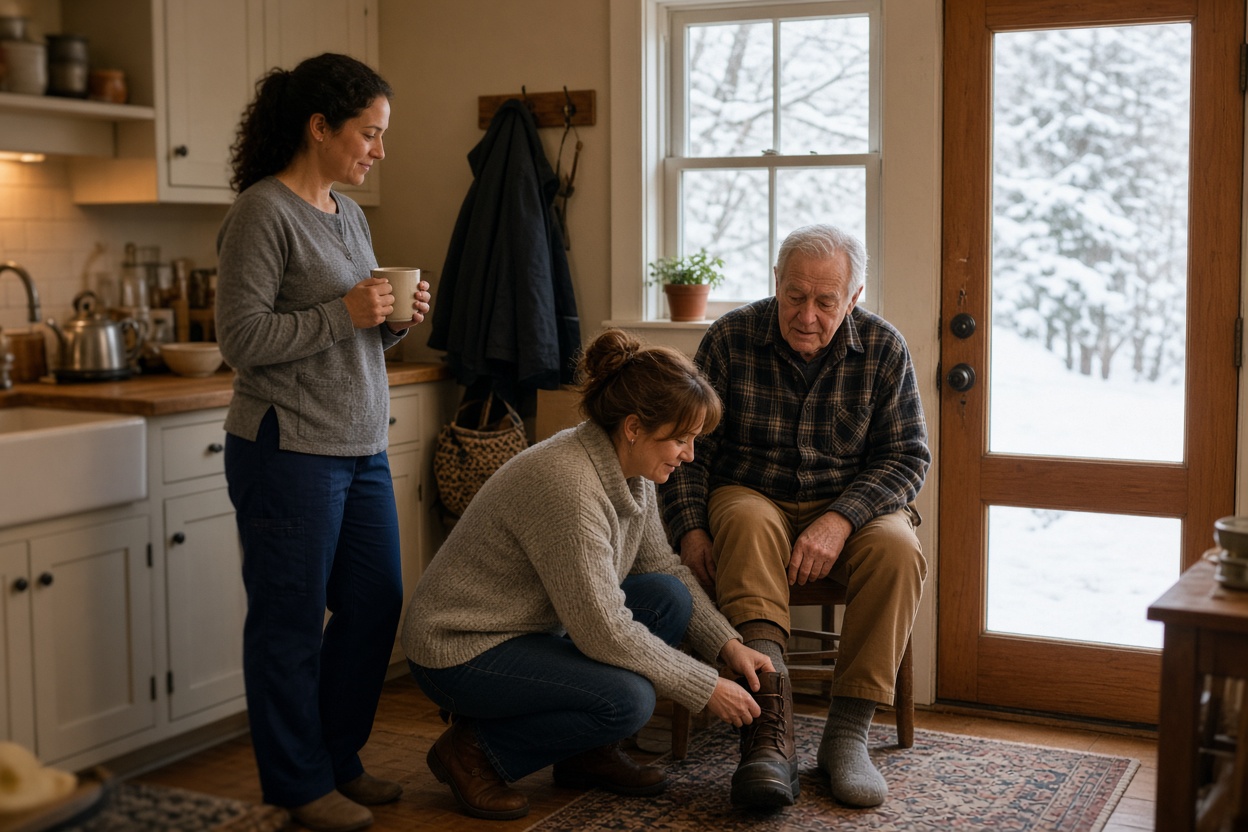
Every winter, families across Upstate New York find themselves watching the weather with a knot in their stomach. A heavy snowfall, a thaw followed by a hard freeze, a long icy driveway, and a parent who insists on doing things the way they always have. For older adults, and for the people who love them, the cold months carry risks that are easy to underestimate until something goes wrong. This guide walks through three of the most common winter hazards on older properties: ice dams on the roof, icy steps and walkways, and the physical strain of snow shoveling. The goal is not to make anyone afraid of their own home. It is to help families make practical, sensible changes so that winter can be safe, comfortable, and dignified.
Why Winter Hits Older Adults Harder
Cold weather affects the body in ways that are easy to overlook. Muscles and joints stiffen, balance can become less reliable, and circulation and temperature regulation may not respond as quickly as they once did. Many older adults also take medications that affect blood pressure, dizziness, or alertness, and some live with conditions such as arthritis, heart disease, or diabetes that make cold exposure and exertion more demanding. A fall that a younger person might shake off can lead to a broken hip or a long recovery for someone in their seventies or eighties.
There is also the question of isolation. In rural and small-town areas, a snowstorm can mean days without a neighbor stopping by, and a parent who lives alone may not be checked on until a family member notices something is off. Winter safety, then, is not only about the physical hazards on the property. It is also about how quickly help can reach the person if something happens. A good winter plan accounts for both the ice on the steps and the question of who will notice if the usual morning phone call does not come.
Families often find that the most useful first step is an honest walk-through of the home and property with the older adult included in the conversation. Ask where they feel unsteady, which paths they use most, and which tasks they still want to handle themselves. Respecting their independence while identifying real risks tends to produce plans that people actually follow.
Understanding Ice Dams and Why They Matter
An ice dam forms when snow on the roof melts from the heat escaping through the attic, then refreezes at the colder eaves and gutters. The ridge of ice that builds up can trap meltwater behind it, which then backs up under the shingles and can leak into the walls, ceilings, and insulation. In older homes, where attic insulation and ventilation may be inadequate, ice dams are a frequent problem during Upstate New York winters. The damage can be expensive, and water intrusion can also create mold and slippery conditions inside the home.
The safety concern is twofold. First, ice dams and hanging icicles can fall onto people walking below, especially near entrances, porches, and walkways. Second, a family trying to clear a roof or remove ice from the gutters is putting themselves or their loved one at serious risk. Roof work is one of the most dangerous tasks a homeowner can attempt, and it is not something an older adult should be doing. If you see an ice dam forming, the right response is to call a qualified roofing or snow-removal professional rather than climbing a ladder.
Prevention is far better than repair. Many of the factors that cause ice dams are inside the house. Good attic insulation, proper air sealing around light fixtures and attic hatches, and adequate ventilation keep the roof surface cold and even, so snow does not melt unevenly. A home energy audit can identify where heat is escaping. These improvements take planning and budget, so it helps to start the conversation before the first big storm of the season.
Practical steps families can take
- Ask a qualified contractor to check attic insulation and ventilation before winter begins.
- Keep gutters and downspouts clear of leaves and debris in the fall so meltwater can drain.
- Watch for icicles, sagging gutters, and water stains on ceilings or walls after thaws.
- Keep the path from the house to the driveway and mailbox clear of falling ice and snow.
- Never let an older parent climb a ladder or walk on a snowy roof to remove ice.
Making Icy Steps and Walkways Safer
For many older adults, the most dangerous moment of the winter day is the walk from the car to the front door or the descent from the back porch. Steps are hazardous even when they look clear, because a thin film of ice or packed snow can be nearly invisible, and a single slip on a stair can cause a serious injury. Handrails that are loose, missing, or only on one side make the risk worse. Lighting matters too, since early winter darkness can hide uneven surfaces.
Start with the basics: make sure every exterior step has a sturdy handrail on at least one side, ideally both, and that the rails are firmly attached. Add or repair outdoor lighting so the entrance, steps, and path are well lit. Keep a good supply of ice-melt or sand, but choose products that are safe for concrete, pets, and nearby plants, and check the label for any guidance relevant to older walkways. Coarse sand gives traction when ice cannot be fully removed, and a plastic scoop or small shovel kept by the door makes quick touch-ups easier.
Footwear is another overlooked factor. Smooth-soled slippers, leather-soled dress shoes, and worn boots are common causes of winter falls. Encourage well-fitting boots with deep treads, and consider traction devices that slip over shoes for walking outdoors. Some families keep a pair of supportive, non-slip indoor shoes near the door so the older adult is not walking around the house in socks on cold hard floors.
A simple daily routine for steps and paths
- Check the steps and walkway before anyone goes out, especially after overnight freezing rain or a warm-up followed by refreezing.
- Clear snow and apply sand or approved ice melt early, before foot traffic packs it down.
- Use the handrail every time, even for short trips, and take steps slowly with a clear hand free for balance.
- Carry nothing that prevents a hand from gripping the rail, and avoid carrying heavy bags while walking on ice.
Many families find that the best arrangement is a shared checklist. A neighbor, family member, or hired aide who visits in the morning can handle a quick check of the steps and make sure the sand bucket is full. The older adult stays involved by being the one who reports what they notice, which keeps them engaged without asking them to do the physical work.
Snow Shoveling: The Hidden Strain
Snow shoveling deserves special attention because it looks like ordinary exercise but places unusual demands on the body. Lifting wet, heavy snow, bending repeatedly, twisting to throw it aside, and working in the cold can strain the back and shoulders and put significant stress on the heart. Health professionals frequently caution people with heart disease, high blood pressure, or limited mobility about heavy snow shoveling, and many older adults who have always been the family’s snow-removal expert are now at real risk when they keep doing it alone.
The signs that shoveling has become unsafe are not always obvious. An older adult may feel fine during the task but notice chest discomfort, unusual shortness of breath, dizziness, or extreme fatigue afterward. Back injuries often appear hours later. Families should treat any chest pain, pressure, or unusual breathlessness during physical exertion as an emergency and seek immediate medical care. Questions about whether a specific activity is safe for a particular person should go to their doctor.
For most older adults, the sensible plan is to hand the shoveling off. That might mean a family member who lives nearby, a neighbor with a snowblower, a local snow-removal service, or a caregiver who can help with outdoor tasks as part of a broader visit. Some families reserve the heavy work for professionals and keep the older adult in charge of the lighter, safer jobs such as checking the mail or deciding which paths need attention. This preserves their sense of contribution without putting their body at risk.
If shoveling cannot be avoided
- Use a lightweight shovel with an ergonomic handle, and push snow rather than lifting it when possible.
- Work in short sessions with frequent breaks, and stop before fatigue sets in.
- Bend at the knees, keep the load close to the body, and avoid twisting the spine to throw snow.
- Dress in layers, stay hydrated, and avoid shoveling in the coldest or most windy part of the day.
- Never shovel alone when there is any health concern, and keep a phone within reach.
Building a Winter Safety Plan for the Home
A single good intention is not the same as a plan. A winter safety plan writes down who does what, when, and what to do if something goes wrong. Start by listing the recurring tasks: checking the steps each morning, clearing the walkway, monitoring for ice dams, restocking sand and ice melt, and arranging snow removal for the driveway. Next to each task, write the name of the person responsible and a backup in case they cannot make it. A plan with a named backup is far more reliable than one that assumes everything will happen automatically.
The plan should also address the indoor side of winter. Heating systems need to be working well, and the older adult should know how to use them safely. Space heaters, if used, need clear space around them and should never be left running unattended with a person who is confused or sleeping. Carbon monoxide detectors are important in any home with fuel-burning appliances or an attached garage, and they should be tested regularly. Keep a list of emergency numbers near the phone, and make sure the older adult knows how to reach help if they cannot get to the door or the phone is out.
Communication is the thread that ties everything together. Agree on a check-in routine, such as a morning phone call, a text, or a visit, and decide ahead of time what happens if the check-in is missed. Some families use a simple rule: if no answer by a certain time, a designated person drives over or calls a neighbor. A written plan posted near the phone helps everyone, including visiting aides and relatives who may not be familiar with the home.
Elements of a useful winter plan
- A written list of recurring tasks with a named person and a backup for each.
- A daily check-in method and a clear escalation step if it is missed.
- A contact list for snow removal, roofing, plumbing, and emergency services.
- A supply shelf with sand, ice melt, flashlights, batteries, and extra medications on hand.
- A review at the start of each season, updated as needs change.
When In-Home Support Makes the Difference
Many families reach a point where their loved one can still live at home but can no longer manage the physical demands of winter alone. This is a very common and entirely reasonable turning point. In-home support can range from a few visits a week to daily help, and it can cover everything from personal care and meal preparation to driving to appointments and helping with outdoor tasks like taking out the trash or getting the mail safely. A caregiver who visits in the morning can check the steps, notice changes in mood or mobility, and report concerns to the family.
The right level of support depends on the person. Someone with mild balance problems who is otherwise independent might need a daily check and help with snow removal. Someone with dementia, significant mobility limits, or a recent hospital stay may need more consistent hands-on care. Families are often surprised by how much relief comes from having a reliable person on the schedule, not only for physical help but for the peace of mind that someone is watching over the situation.
Caregiver support matters too. Adult children who live far away, or who are juggling their own jobs and families, can feel constant worry during the winter months. Bringing in help is not a failure of family care. It is a way of making care sustainable. Good home care agencies work with families to build a plan that fits the home, the budget, and the person’s wishes, and they can adjust the schedule as the seasons and needs change.
Families who want to learn about coverage options for in-home care in New York should consult official sources, since program rules and eligibility can change. General information is available through the New York State Department of Health and through Medicare.gov, and a local Area Agency on Aging can help families understand the services available in their county. A caseworker or care coordinator can also help sort through the options.
Talking With Your Loved One About Change
Even the most loving families can struggle when it is time to talk about giving up a task or accepting help. An older parent who has shoveled the driveway for fifty winters may hear a request to stop as a loss of identity, or as a message that they are no longer capable. Approaching the conversation with empathy makes an enormous difference. Lead with your concern for their safety and your respect for everything they have done, rather than with a list of things they can no longer do.
It can help to frame the change as sharing the load rather than taking over. You might say something like, ‘I want to make sure you are safe on those icy steps this winter, so let us figure out a schedule together.’ Give the older adult real choices where you can, such as which day the snow service comes, whether they would prefer a neighbor or a professional, or which tasks they want to keep doing. Autonomy within a safe framework is often what makes change acceptable.
Be patient, and expect the conversation to take more than one sitting. Some people need time to adjust, and some will push back even when they know the risk is real. If a disagreement becomes heated, it is fine to pause and return to the topic later. Involving a trusted doctor, clergy member, or friend can sometimes help when family conversations stall. And if you notice signs of confusion, memory change, or a sudden decline in self-care, bring those observations to a medical provider, since they may point to a need for a more thorough evaluation.
Seasonal Checklist for Upstate New York Homes
Having a simple checklist to work from each season turns good intentions into habits. Before the first snowfall, have the gutters cleaned, confirm the handrails are secure, restock sand or approved ice melt, and test smoke and carbon monoxide detectors. Arrange snow removal for the driveway and walkways, and make sure the person who will handle emergencies knows how to reach the home. If the attic or roof has a history of ice dams, schedule an inspection before the coldest weeks arrive.
During the winter, make a habit of checking the steps and walkway each morning, watching for icicles and sagging gutters after thaws, and looking for water stains on ceilings or walls. Keep flashlights and extra batteries where they can be reached in a power outage. Check on the older adult by phone or in person on storm days, and make sure groceries, medications, and any needed supplies are on hand before the roads become difficult. Keep warm clothing, a blanket, and a charged phone close at hand.
In the spring, review what worked and what did not. Note any close calls, any tasks that became too difficult, and any changes in the older adult’s health or mobility. Schedule the spring gutter cleaning, check for any damage from ice, and begin planning for next winter. A season-by-season approach keeps safety from becoming an afterthought and gives families a clear rhythm for managing the year.
Frequently Asked Questions
What is the single most important step to prevent winter falls for an older adult?
There is rarely one single fix, but clearing and treating steps and walkways early in the day, combined with secure handrails and good footwear, addresses the most common cause of winter falls. A daily check by a family member, neighbor, or caregiver helps ensure the work actually gets done. Good lighting on the path also makes a meaningful difference in early winter darkness.
Should my father still be shoveling snow if he has a heart condition?
Heavy snow shoveling places significant demands on the heart and is a task many health professionals advise people with heart conditions to avoid. The right answer depends on his specific health situation, so the best next step is to ask his doctor directly. In the meantime, arrange for someone else to handle the shoveling and keep him in charge of lighter, safer tasks.
Are ice dams something a homeowner can safely fix on their own?
Removing ice from a roof is dangerous work that often involves ladders and slippery surfaces, and it is not something an older adult or most homeowners should attempt. Preventing ice dams through attic insulation and ventilation is a better long-term approach, and a qualified contractor can assess the home. If an ice dam is causing active leaks, contact a professional promptly.
What should be in a basic winter emergency kit for an older adult living alone?
A useful kit includes flashlights with extra batteries, a charged backup phone battery, a written list of emergency and family contacts, several days of medications and any necessary supplies, bottled water, non-perishable food, warm blankets, and a supply of sand or approved ice melt for the walkway. Keep the kit in a predictable place and make sure the older adult knows where it is.
How do I find out what in-home help might be available in New York?
Program rules and eligibility can change, so start with official sources. The New York State Department of Health publishes general information about home care, and Medicare.gov explains what Medicare does and does not cover. A local Area Agency on Aging can connect families with services in their county, and a care coordinator or caseworker can help sort through options that fit a particular situation.
Winter in Upstate New York is beautiful, but it asks a great deal of older adults and the families who look after them. The risks from ice dams, icy steps, and heavy snow shoveling are real, and they are also manageable. With a clear plan, a few well-chosen improvements to the home, honest conversations about what needs to change, and help from people who are willing to share the work, most older adults can stay safe and comfortable in the place they love. If you are feeling stretched thin or are not sure where to start, please reach out to At Home Care Partners for a free consultation. We are glad to talk through your situation, explain the kinds of support that exist, and help you build a winter plan that fits your family.
Note that this is general information, not medical advice. Please consult your loved one’s doctor or other qualified health professionals about any specific health concerns.
More from the At Home Care Partners blog
- Before the Ambulance Comes: A Rural Upstate Emergency Binder
- Caring for a Parent Across Upstate Ridgelines: Dementia-Friendly Routines for Rural Homes
- Fall Garden Chores and Aging Parents: Safe Yard Work in Upstate NY
- Dairy Barn Chores vs. Mom's Mobility: Keeping Rural Ties Safe